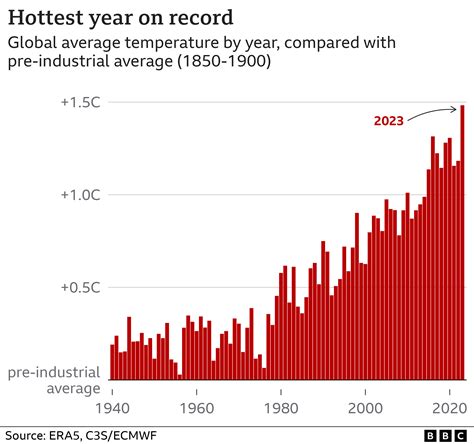
Earth’s temperature has risen by an average of ° Fahrenheit (° Celsius) per decade since , or about 2° F in total. The rate of warming since is more than three times as fast: ° F (° C) per decade. was the warmest year since global records began in by a wide margin.
The science behind increasing climate change
Scientific information taken from natural sources (such as ice cores, rocks, and tree rings) and from modern equipment (like satellites and instruments) all show the signs of a changing climate. From global temperature rise to melting ice sheets, the evidence of a warming planet abounds.
Climate change impact on global weather patterns
Over that period, average global sea level has: Sea level is a global climate change indicator. Through continuous long-term measurements of global sea level, scientists can see the ocean’s role in climate and the effects of a changing climate on the ocean. Since , global mean sea level has risen by about 4 inches (10 centimeters).
How climate change affects sea levels
Global warming is causing global mean sea level to rise in two ways. First, glaciers and ice sheets worldwide are melting and adding water to the ocean. Second, the volume of the ocean is expanding as the water warms.
Climate change statistics and trends
Earth’s temperature has risen by an average of ° Fahrenheit (° Celsius) per decade since , or about 2° F in total. The rate of warming since is more than three times as fast: ° F (° C) per decade. was the warmest year since global records began in by a wide margin.
Understanding climate change: causes and effects
Understanding climate change requires examining the intricate systems that govern the planet’s climate. The atmosphere, oceans, land surfaces, ice sheets, forests, and living organisms all interact in complex ways to regulate temperature and weather patterns. Explore climate change causes, impacts on ecosystems, and global agreements. Understand greenhouse gases, deforestation, and international actions.
Climate change solutions: what we can do
At every level, people can take action to address climate change and reduce greenhouse gas emissions. The actions you take at home, at work, at school, on the go, and in your community all add up to make a difference.