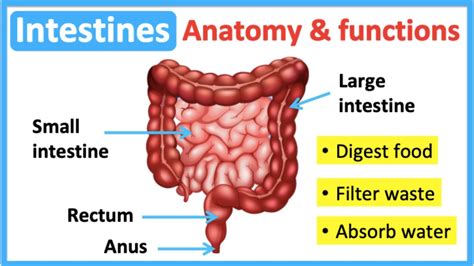
The large and small intestines are part of the gastrointestinal (GI) tract, the passage running from the mouth to the anus. The intestines run from the end of the stomach to the anus. Their primary function is to absorb nutrients and vitamins.
Common intestinal problems and their symptoms
They tend to cause symptoms that last longer and don’t get better with lifestyle changes alone. Structural problems cause issues your provider can see such as inflammation or blockages. Common examples of structural GI diseases include hemorrhoids, colon polyps and inflammatory bowel disease (IBD).
The role of gut bacteria in human intestine health
Intestinal disorders: crohns disease vs ulcerative colitis
What's the difference between ulcerative colitis, Crohn's disease, inflammatory bowel disease (IBD) and irritable bowel syndrome (IBS)? These four conditions are often confused because they all affect the digestive system, but they're quite different in terms of cause, symptoms and treatment.
Natural ways to improve intestine health and digestion
Improve digestion naturally with 12 science-backed tips. Learn how to boost gut health, reduce bloating, and feel better every day.
How diet affects your intestines: a complete guide
In this context, the Nutrients Special Issue entitled Food and Diet for Gut Function and Dysfunction focuses on the role of the responses of the digestive system to food ingestion in normal conditions and in the disease state.
Understanding the human intestine: structure and function
This article will cover the location and function of the intestines, abnormal function, diagnosing and treating problems, and more. Where Are the Intestines in the Body?. It holds the coiled small intestine and the large intestine in the lower abdomen and supplies both with nerves, blood vessels and lymph vessels. After digestive secretions have mixed with the chyme from the stomach in the duodenum, the actual absorption of nutrients into the body begins.