The small changes set in motion by Milankovitch cycles operate separately and together to influence Earth’s climate over very long timespans, leading to larger changes in our climate over tens of thousands to hundreds of thousands of years.
Historical climate change cycles: what we can learn from past data
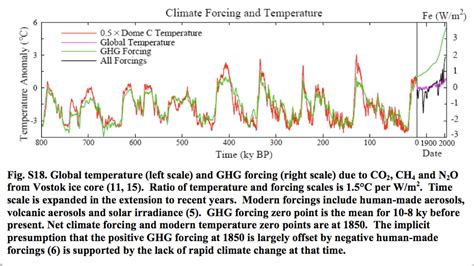
Earth's climate has changed throughout history. Just in the last , years, there have been eight cycles of ice ages and warmer periods, with the end of the last ice age about 11, years ago marking the beginning of the modern climate era — and of human civilization.
How solar cycles affect earths climate change trends
What Effect Do Solar Cycles Have on Earth’s Climate? According to the United Nations’ Intergovernmental Panel on Climate Change (IPCC), the current scientific consensus is that long and short-term variations in solar activity play only a very small role in Earth’s climate.
Understanding climate change cycles: natural vs human-induced changes
Explore what fuels climate change: human activities or natural processes? Understand their roles and impact in our comprehensive analysis of climate change causes. Explore natural & human climate change drivers: greenhouse gases, deforestation, aerosols, radiative forcing & what it means for our planet's future.
The 100,000-year ice age cycle and climate change patterns
The eccentricity, axial tilt, and precession of the Earth's orbit vary in several patterns, resulting in ,year ice age cycles of the Quaternary glaciation over the last few million years.
Climate change cycles and their impact on biodiversity
However, climate change exerts a profound impact on biodiversity by altering habitat conditions, triggering shifts in species distributions, and affecting the timing of biological events.
Climate change cycles vs weather patterns: whats the difference
Climate is weather observed over multidecadal periods. For example, the National Oceanic and Atmospheric Administration (NOAA) measures a climate normal over 30 years. Climate variability is how weather may vary for seasons or years from the long-term average.