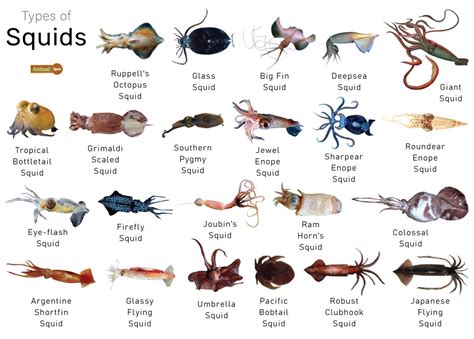
A squid is any of more than species of armed mollusks constituting the cephalopod order Teuthoidea (or Teuthida). They are found in coastal and as well as oceanic waters. Squids may be swift swimmers or part of the drifting sea life.
Squid vs octopus: key differences between these cephalopods
Squid reproduction: mating habits and life cycles
Squid, marine invertebrates known for their advanced intelligence, exhibit a life cycle defined by rapid growth and a single, intense reproductive phase. Reproduction is a fast-paced and highly synchronized event, often involving massive aggregations for mating and spawning.
Everything you need to know about squids: biology and behavior
Squid, any of more than species of armed cephalopods (order Teuthoidea) found in both coastal and oceanic waters. From the deep ocean trenches to shallow coastal waters, squids have evolved a fascinating array of behaviors and physiological mechanisms to thrive. Understanding how squids respond to their environment is crucial to appreciating their ecological role and the complexities of marine ecosystems.
Squid conservation status: threats to squid populations worldwide
Environmental changes, particularly ocean acidification and warming waters, along with overfishing and pollution, are the primary threats to the delicate balance of squid populations worldwide, impacting their survival and long-term sustainability.
Squid hunting techniques: how they catch prey in the ocean
Squid anatomy: how do squids move and survive in water
In order to combat drag and sinking, squids use a unique combination of jet propulsion and fin activity to swim. To jet, a squid fills its mantle cavity with seawater through openings around the head (dashed arrows).